- July 14, 2025
- 8:00 pm
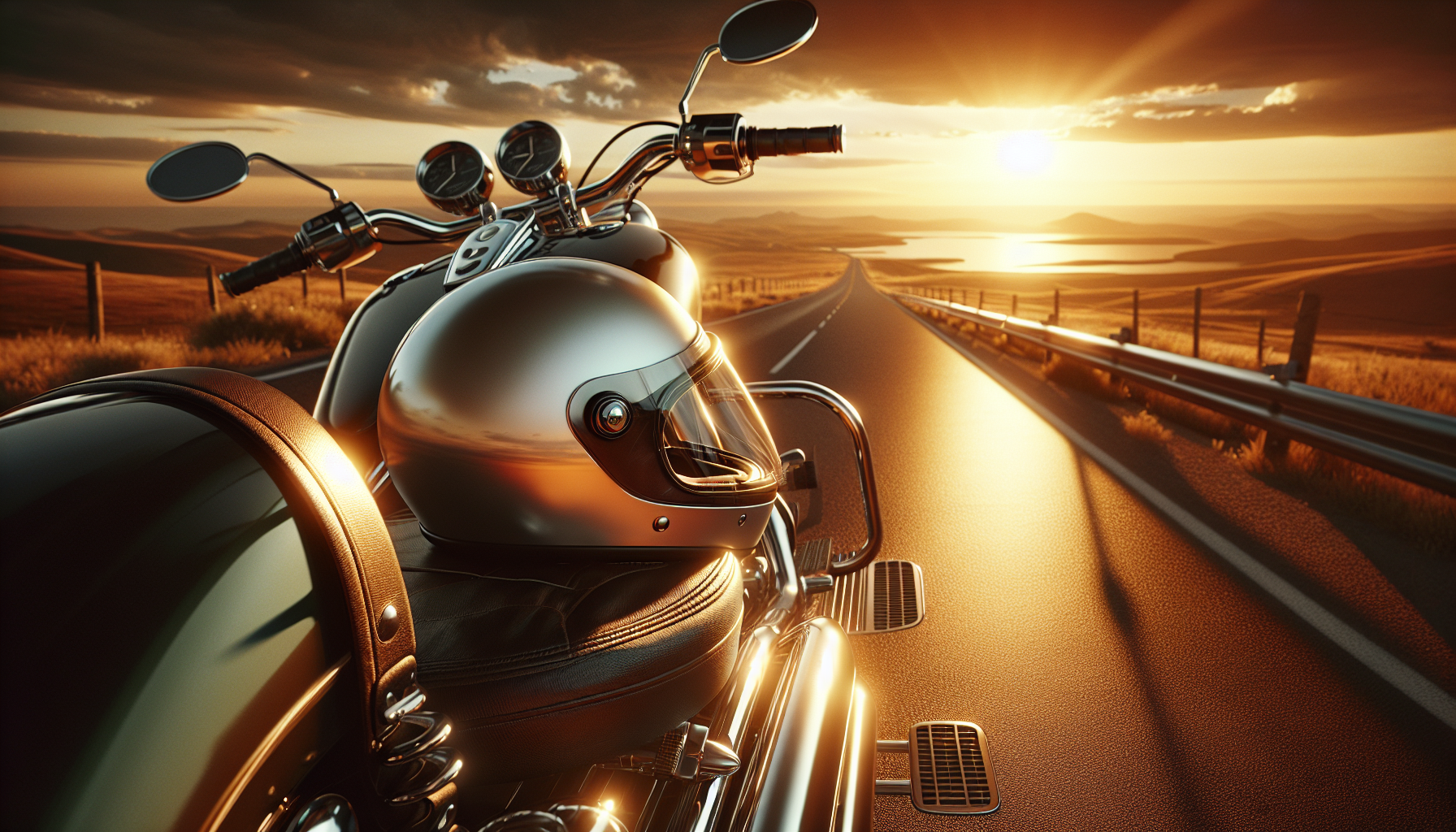
Riding a motorcycle promises adventure, freedom, and thrill, but it also requires a commitment to safety. The most vital piece of safety gear? Your helmet. It serves as your first line of defense in the event of an accident, and selecting the right one can significantly enhance both your safety and riding comfort. With countless options on the market, knowing what to look for in a helmet is crucial for every rider’s peace of mind.
Understanding Helmet Safety Standards
Before anything else, consider the helmet’s safety certifications. These endorsements ensure your helmet meets specific safety requirements, protecting you effectively while you ride.
DOT vs. Snell vs. ECE – What’s the Difference?
Three primary safety certifications concern riders: DOT, Snell, and ECE. In the U.S., the Department of Transportation (DOT) standard is mandatory for all helmets. It ensures helmets can absorb a certain level of impact and stay secure during a crash. Snell is another American benchmark, considered more rigorous than DOT. It often caters to competitive and performance riders who demand enhanced safety. Meanwhile, the European ECE stands as the most widespread international standard, trusted for its stringent testing in areas like impact resistance and strap durability. Understanding these distinctions can help you make an informed decision on which certification aligns best with your needs.
Types of Helmets
The market offers various helmet types, each tailored to specific preferences and conditions. Here’s a breakdown to help you choose:
Full Face Helmets
Full face helmets provide maximum protection, covering the head, chin, and face. They’re ideal for those seeking the pinnacle of safety, especially at high speeds or on unpredictable roads. The design reduces noise and protects against the elements, though some riders find them less ventilated.
Modular Helmets
Offering versatility, modular helmets combine the safety of a full face with the convenience of an open face. The chin bar lifts, allowing riders to switch between a locked-down, full protection mode and an open, accessible mode. Commuters and touring cyclists often appreciate this flexibility.
Open Face Helmets
Popular among cruisers and urban riders, open face helmets provide a relaxed and airy feel. While they offer superior visibility and comfort, they lack chin protection, making them less safe than full or modular helmets in the event of a crash.
Dual-Sport Helmets
Designed for both road and off-road use, dual-sport helmets blend full face protection with features like visors and peaks. Adventure riders favor these for their balance between airflow and comprehensive safety.
Choosing the Right Fit
The ideal helmet fits snugly yet is comfortable. A well-fitted helmet is critical for safety, as even the best helmet does little good if it shifts or comes off during a crash.
Trying It On
Try on helmets to assess fit. Secure the helmet, ensuring it sits squarely on your head and doesn’t tilt forward or sideways. With the chin strap fastened, attempt to move the helmet by twisting it—it should resist movement and feel snug.
Common Fit Issues and Solutions
Common fit issues include loose areas, discomfort in specific spots, or excessive pressure points. Solutions can range from choosing a different helmet size to adjusting padding. Manufacturers often offer removable padding options to fine-tune the fit.
Features to Consider
When selecting a helmet, consider features that improve safety, comfort, and convenience, matching your specific riding conditions.
Ventilation and Airflow
Good ventilation reduces heat buildup and moisture, ensuring comfort during extended rides. Look for helmets with adjustable vents to customize airflow based on weather conditions and personal preference.
Visor and Face Shield Options
Visors shield your eyes from sun and debris, while face shields prevent wind and rain from impairing vision. Opt for helmets offering UV protection, fog resistance, and quick-release mechanisms for adaptable riding environments.
Maintaining Your Helmet
Proper helmet maintenance keeps it effective and extends its life, ensuring ongoing reliability.
Regular Cleaning
Clean your helmet regularly using mild soap and water—a soft cloth for the shell, and a gentle toothbrush for vents and linings. Avoid harsh chemicals that might degrade the material.
When to Replace Your Helmet
Helmets don’t last forever. Replace it after any significant impact, or every 5 to 7 years due to material degradation. Visible wear, like cracked foam or a misshapen shell, also signals replacement time.
Conclusion and Recommendations
Selecting the perfect helmet enhances your safety and enriches your riding experience. Prioritize safety standards, choose the helmet type that matches your riding style, ensure a proper fit, and maintain your helmet meticulously. At World Class Powersports High Point, we offer a wide selection of helmets to meet your specific needs. Visit us at 2924 N. Main St. High Point, North Carolina, or contact us at indianmotorcyclegreensboro@gmail.com or 336-882-2900 for personalized guidance on your next helmet for your riding adventures. We’re here to ensure your rides are safe, comfortable, and memorable.