- March 14, 2025
- 8:01 pm
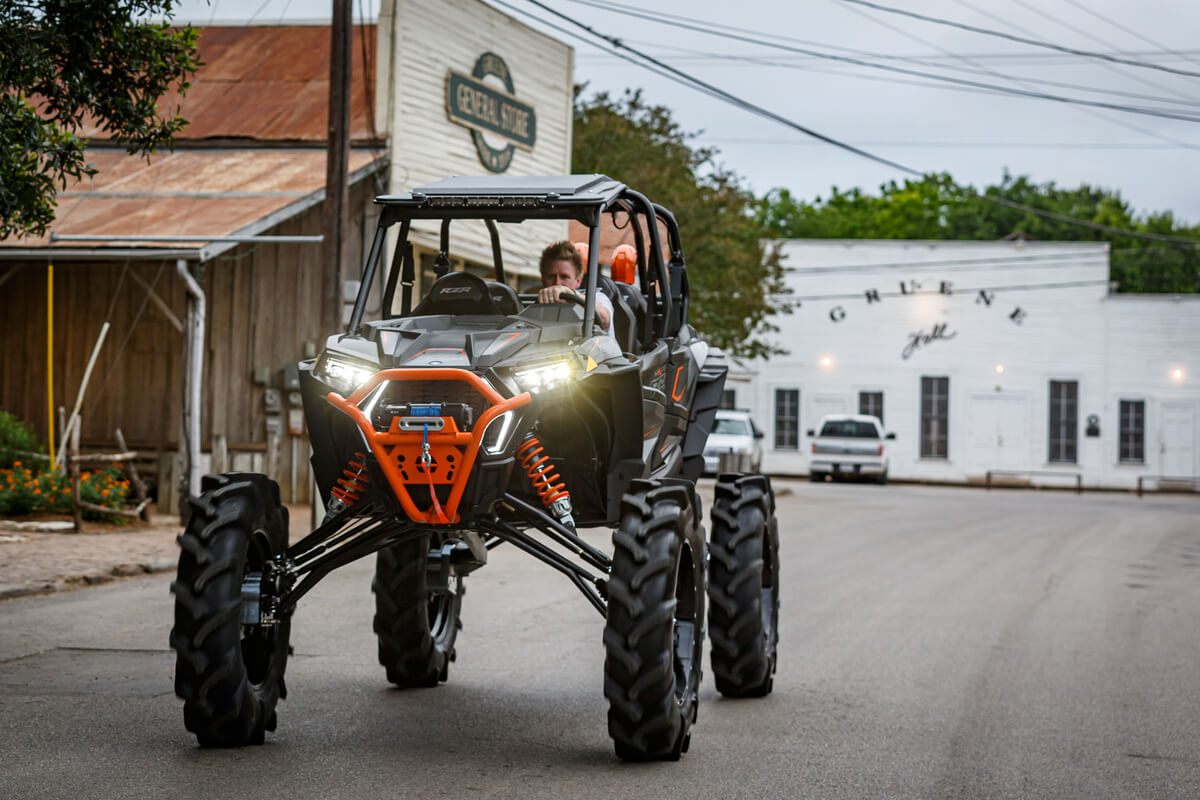
ATVs (All-Terrain Vehicles) are designed for rugged trails and off-road adventures, but what if you could legally ride yours on paved roads? While ATVs are typically restricted to off-road use, many states offer ways to make them street legal with the right modifications and paperwork.
If you’re looking to take your ATV beyond the dirt trails and onto public roads, this guide will help you navigate the state-specific laws, required modifications, and registration process needed to make your ATV street legal.
Understanding ATV Street-Legal Laws by State
Not all states allow ATVs to be operated on public roads, and those that do often have strict regulations regarding modifications, registration, and insurance. The classification of an ATV as a legal street vehicle varies by state, with some allowing limited use on designated roads and others requiring full compliance with highway regulations.
States That Allow Street-Legal ATVs with Proper Modifications
Some states permit ATVs on public roads if they meet specific requirements. These typically include adding safety equipment and passing an inspection. States with clear ATV street-legal provisions include:
- Arizona
- Montana
- Wyoming
- South Dakota
- Utah
- Idaho
- Nevada
Each of these states requires headlights, taillights, turn signals, mirrors, and a horn before issuing a registration for street use. Some states also mandate an inspected exhaust system and DOT-approved tires for on-road use.
States That Allow Limited ATV Road Use
Certain states allow limited ATV use on public roads but impose restrictions such as low-speed limits, designated roads, and daylight-only riding. Examples include:
- Minnesota (only on county roads with proper signage)
- North Dakota (permitted on roads with a speed limit of 55 mph or lower)
- Tennessee (certain county roads allow ATVs, but state highways prohibit them)
- West Virginia (restricted to specific trails and rural roads)
States Where ATVs Are Not Street Legal
In some states, making an ATV street legal is virtually impossible due to strict regulations. States like California, New York, and New Jersey have stringent laws that prohibit ATVs on public roads regardless of modifications.
Necessary Modifications to Make Your ATV Street Legal
If your state permits ATVs on the road, you’ll need to install certain safety features before registering your vehicle. Here are the most common modifications required for a street-legal ATV:
Lighting and Visibility Enhancements
- Headlights (High and Low Beams) – Required for visibility in both day and night conditions.
- Brake Lights and Taillights – Essential for signaling stops and turns to other drivers.
- Turn Signals – Some states require fully functional turn signals for on-road navigation.
Safety Equipment
- Side Mirrors and Rearview Mirror – Helps riders monitor traffic behind them.
- Horn – Necessary for alerting pedestrians and other motorists.
- Reflectors – Many states require reflectors for added visibility.
Mechanical Adjustments
- DOT-Approved Tires – Standard ATV tires are not designed for pavement and may need to be replaced with road-safe tires.
- Speedometer and Odometer – Some states require an odometer for tracking mileage.
- License Plate Bracket and Light – A visible, well-lit plate is required for identification.
Additional Requirements
- Muffler System – Must meet noise regulations and pass emissions testing in some states.
- Windshield or Goggles – If the ATV does not have a windshield, riders may need to wear DOT-approved eye protection.
The Registration Process for Street-Legal ATVs
Once your ATV is properly modified, the next step is registration. The process varies by state, but most include the following steps:
- Obtain an Inspection – Some states require a certified DMV or mechanic inspection to verify modifications.
- Apply for a Title and Registration – Submit required documents, including proof of ownership, insurance, and completed modification checklists.
- Pass an Emissions Test (if applicable) – Certain states require ATVs to comply with environmental regulations before registration.
- Secure a License Plate – Once registered, a street-legal ATV must display a license plate like any other vehicle.
Some states may also require ATV riders to obtain a motorcycle endorsement or special ATV license to operate on public roads.
Are Street-Legal ATVs Worth It?
Turning an ATV into a street-legal vehicle offers greater versatility, expanded riding opportunities, and added convenience. However, the cost of modifications, varying state laws, and potential insurance requirements should be considered before making the transition.
If you live in a state that permits dual-use ATVs, the investment could be worthwhile, especially for those who use ATVs for both recreation and commuting.
At World Class Powersports High Point, we can help guide you through ATV modification options, ensuring you meet the legal requirements for your state. Whether you’re looking for a brand-new ATV or need accessories for street-legal upgrades, our team is here to assist.
Visit us at 2924 N. Main St. High Point, or reach out to us at 336-882-2900 or indianmotorcyclegreensboro@gmail.com to learn more about ATV options and legal modifications.